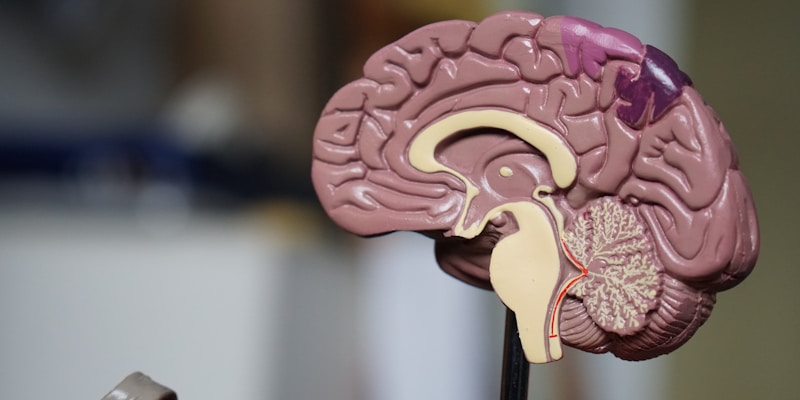
Why Puzzle Games Are Brain Food
Playing puzzle games is not just fun - it is genuinely good for your brain. Let us explore the science.
Cognitive Benefits
Improved Memory: Puzzles strengthen neural connections, particularly in areas responsible for short-term memory.
Better Problem-Solving: Regular puzzle-solving trains your brain to approach problems systematically.
Increased Dopamine: Completing puzzles triggers dopamine release, the reward neurotransmitter.
Reduced Stress: The focused state required for puzzles can be meditative, reducing cortisol levels.
The Research
A 2019 study found that adults who regularly engaged in puzzle activities had brain function equivalent to people 10 years younger.
Make It a Habit
Just 15-20 minutes of puzzle-solving daily can provide these benefits. Our daily challenges are designed to fit perfectly into your routine.